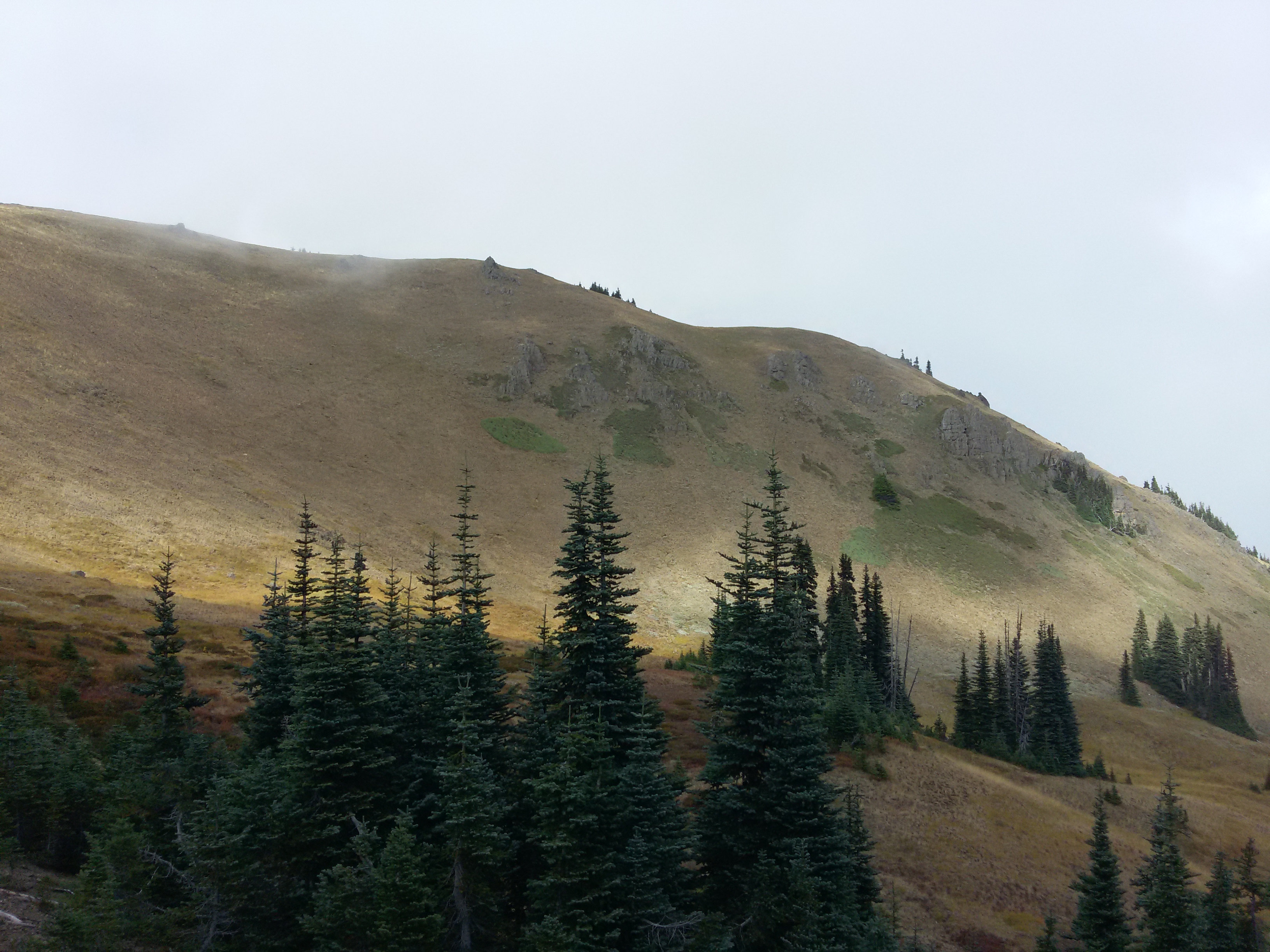
Nestled within the breathtaking expanse of Washington's Olympic National Park lies a hiking gem that consistently delivers monumental rewards for a surprisingly manageable effort: Hurricane Hill. If you're seeking a trail that promises awe-inspiring, 360-degree panoramic vistas without demanding an entire day or backcountry expertise, then a journey to Hurricane Hill in Olympic National Park should undoubtedly top your itinerary. This popular day hike offers a stunning immersion into the rugged beauty of the Olympic Mountains, the shimmering Strait of Juan de Fuca, and even glimpses of Vancouver Island, all from an easily accessible, well-maintained path.
Often lauded as one of the best hikes for its spectacular payoff, Hurricane Hill caters to a wide range of visitors, from families with children to seasoned hikers looking for a rewarding morning trek. While its paved surface and moderate length suggest an easygoing experience, don't let its accessibility fool you – the views from the summit are nothing short of epic. Prepare to be captivated by snow-capped peaks, verdant valleys, and the vast expanse of the Pacific Northwest coastline.
Conquering Hurricane Hill: Trail Details and Accessibility
The Hurricane Hill Trail is a 3.2-mile (approximately 4.8 km) out-and-back journey that typically takes around 2 hours to complete, depending on your pace and how long you linger at the summit to soak in the views. With an elevation gain of about 650-700 feet (213 meters), it's generally rated as moderate, striking an excellent balance between challenge and enjoyability. The trailhead is conveniently located at the very end of Hurricane Hill Road, just about 1.3 miles (2.1 km) past the popular Hurricane Ridge Visitor Center, making it simple to find for first-time visitors.
One of the most distinctive features of the Hurricane Hill trail is its surface: a smooth asphalt pavement, mostly 8 feet wide. This paved path makes it remarkably accessible, even for those pushing strollers or using mobility aids, at least for the initial sections. Van-accessible parking is available immediately across from the trailhead, and overflow parking can be found at Picnic Area B, ensuring ample space even during peak season.
Understanding the Trail's Varied Terrain
While often described as "low effort," it's important to understand the trail's varying grades. The initial stretch begins near the far end of the parking lot and offers a gentle start. The first 2,700 feet (about 0.5 miles) generally features a mild running slope, mostly under 5%, with only a brief 150-foot section seeing a grade of 7-9%. This early part of the trail actually goes slightly downhill for the first 400 feet before a gradual uphill climb.
Around the 1,400-foot mark, the trail curves downhill again, for about 300 feet, where it's cut into a steep bank, offering some exposure to a significant drop-off. Those with a fear of heights might prefer to stay on the inside edge during this short section. The trail continues with gentle ups and downs until about the 2,450-foot mark.
Here's a crucial point for planning: The "strenuous" section of the hike truly begins around 2,700 feet (just over half a mile in). From this point onwards to the summit, the trail becomes significantly steeper, with many sections ranging from 10-20% grades. While the paved surface remains, this portion requires a more concerted effort. If you're seeking a very easy stroll, the first 0.5 miles offers beautiful views before the grade increases, providing a lovely option to turn back if you prefer. However, for those who press on, the rewards are immense. For a deeper dive into the trail's unique characteristics and what makes it suitable for various hikers, be sure to check out Hurricane Hill Trail: Moderate Hike for All in Olympic National Park.
The Panoramic Payoff: Views from the Summit
The true magic of Hurricane Hill unfolds as you reach its high point. From the summit, you're treated to a spectacular 360-degree panorama that feels like standing on top of the world. To the south, the majestic, snow-dusted peaks of the Olympic Mountains stretch out in an unending tapestry of ridges and valleys. You'll likely spot iconic peaks like Mount Olympus itself on a clear day, its glaciers shimmering in the sun.
Turning north, the landscape shifts dramatically. Here, you'll witness the deep blue expanse of the Strait of Juan de Fuca, separating the Olympic Peninsula from Vancouver Island in Canada, which is often visible on a clear day. Griff Peak stands prominently in the foreground, adding to the dramatic northern vista. The contrast between the rugged alpine terrain and the distant glimmer of the sea is truly captivating and makes every step of the ascent worthwhile. This convergence of mountain and marine landscapes is a signature feature of Olympic National Park's unique geography, and Hurricane Hill offers one of the best vantage points to appreciate it.
Making the Most of Your Hurricane Hill Experience
To ensure a fantastic and memorable hike up Hurricane Hill, a little preparation goes a long way. This is particularly true given the dynamic weather patterns of the Olympic Mountains.
Planning Your Visit
- Check the Weather: This is paramount. While the views are spectacular on a clear day, clouds can roll in quickly, obscuring the panorama. Always check the forecast for Hurricane Ridge before heading out.
- Best Time to Go: Late spring through early fall (roughly May to October) generally offers the most favorable conditions with minimal snow and fully open roads. During these months, going early in the morning can help you avoid crowds and often provides the clearest views before afternoon haze or clouds might develop. Late afternoon can offer stunning golden hour light for photography, though parking might be more competitive.
- Winter Access: The road to Hurricane Ridge and consequently Hurricane Hill is typically affected by snow from late fall to late spring. In winter, the road is usually open Friday through Sunday and on holiday Mondays, weather permitting, but conditions can change rapidly. Check the NPS website for current road status before you depart. Winter hikes here transform into a snowshoeing or cross-country skiing adventure, offering a stark and beautiful experience for those prepared.
What to Bring
- Layers of Clothing: Weather can shift dramatically at higher elevations. Even on a sunny day, winds can be brisk at the summit. Bring layers you can easily add or remove.
- Water and Snacks: Stay hydrated, especially on the steeper sections. There are no services once you leave the visitor center.
- Sturdy Footwear: While paved, the trail can be steep and might have wet or icy patches depending on the season. Good grip is always recommended.
- Camera: You'll want to capture these views!
- Sun Protection: The high elevation means stronger sun exposure. Bring sunscreen, a hat, and sunglasses.
Trail Etiquette and Safety
- Stay on the Trail: Protect the fragile alpine vegetation by remaining on the designated path.
- Pack It In, Pack It Out: Leave no trace of your visit. Carry out all trash.
- Wildlife Awareness: You might encounter marmots, deer, or various bird species. Observe them from a respectful distance and never feed them. Bears are also present in the park, though encounters on this busy trail are less common.
For more detailed preparation tips and an in-depth look at what to expect, read Your Guide to Hurricane Hill: Olympic NP's Panoramic Views.
Why Hurricane Hill is a Must-Do in Olympic National Park
Hurricane Hill stands out as a quintessential Olympic National Park experience for several compelling reasons. It expertly balances accessibility with truly epic scenery, making it a fantastic option for almost any visitor. Whether you're a seasoned hiker looking for a rewarding morning trek, a family introducing children to mountain trails, or someone simply wishing to witness some of the Pacific Northwest's most iconic landscapes without venturing deep into the backcountry, Hurricane Hill in Olympic National Park delivers.
The paved surface, though steep in parts, minimizes the typical challenges of rocky or root-strewn trails, allowing you to focus more on the grandeur surrounding you. The breathtaking 360-degree views from the summit, encompassing jagged mountain ranges, expansive forests, and the sparkling Strait, create a profound sense of wonder and connection to nature. It’s a powerful reminder of the incredible diversity and untouched beauty protected within this remarkable national park. Don't miss the chance to experience this high-reward, low-effort adventure on your next visit to Olympic National Park.
